







Search Results for: Aricha Rose Champagne
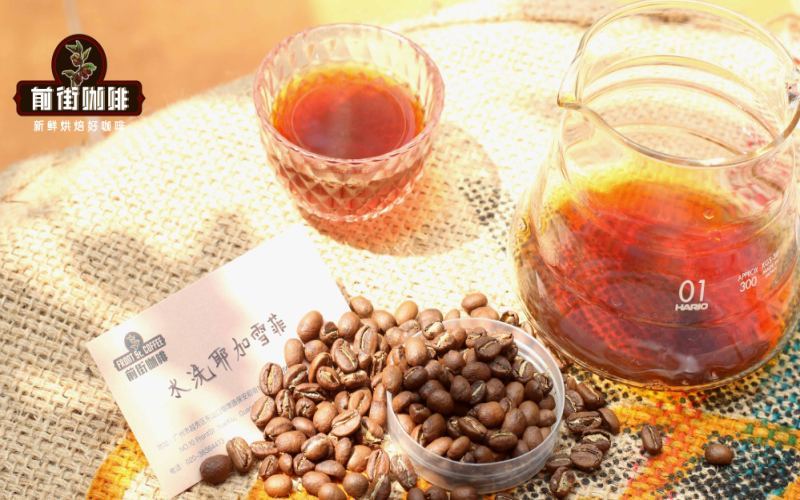
Yirgacheffe Double Stars: A Full Analysis of the Washed Aricha and Natural Arisa Rose Champagne Flavors
In the world of specialty coffee, Front Street Yirgacheffe has become a daily staple for many enthusiasts thanks to its vibrant flavors and affordable price. Its refreshing low acidity and pleasant aroma make it suitable not only for pour-over, French press, and siphon brewing, but also for cold brew immersion—one bean, many ways to enjoy. Today we focus on a special lot—Front Street Ethiopia Aricha Rose Champagne Natural. This limited micro-lot was won jointly by us and two fellow roasters, and after cupping we wanted it all to ourselves. It boasts intense florals, full-bodied sweetness, and a subtle effervescence, with an overall balanced and clean profile and an elegant, lingering finish; as it cools, it blooms in the nasal cavity like rose perfume. This article will detail its origin, variety, processing method, and flavor, along with related background knowledge, to give you a deeper understanding of this natural single-origin worth savoring under the warm autumn and winter sun. [more…]
2020 TOH Natural Group Champion: Ethiopian Aricha Lalo Coffee Bean Flavor and Origin Analysis
At the 2020 Taste of Harvest (TOH) Africa coffee competition, a natural coffee from the Armelelalu processing plant in the Konga region of Yirgacheffe, Ethiopia, scored 90.70 points to win the natural group championship and the overall championship. This bean uses heirloom varieties, is grown at an altitude of 2,200 meters, and undergoes anaerobic slow-dry natural processing, presenting rose floral notes, a fresh fruit-champagne quality, intense tropical fruit aromas, and a candied sweetness, with a round and smooth mouthfeel and a long-lasting sweet aftertaste. This article will guide you through the background of the TOH competition, detailed information about this champion bean, and why the Yirgacheffe region is hailed as synonymous with delicious coffee. [more…]

Exploring Panama 90+ Geisha: The Ninety Plus Brand Story, Estate Layout, and Flavor Analysis
In the world of specialty coffee, 90+ (Ninety Plus) is a name you can't avoid. It represents both the outstanding quality of a cup scoring above 90 and that American green coffee company renowned for its innovative processing methods. From the sensational debut of Aricha and Beloya in Ethiopia, to its return to Panama to establish a Geisha estate, 90+ has redefined the possibilities of green coffee production with its Profile Processing system. Front Street Coffee lays out the development trajectory and estate distribution of 90+, with a focus on introducing the flavor characteristics and brewing parameters of two Geisha varieties, Eleta and Juliette, to give you a comprehensive understanding of this coffee brand that constantly makes headlines. [more…]
A Complete Guide to Ninety Plus 90+ Geisha Coffee Beans: Brand Story, Estate Flavors, and Brewing Parameters
In the coffee world, what comes to mind when you hear "90+"? Is it a cupping score, or that green bean brand that always sparks conversation? As a well-known American green bean merchant, Ninety Plus has redefined the production logic of specialty coffee with its original Profile Processing system. From making a name for itself with Aricha and Beloya in Ethiopia, to returning to Panama to establish the 90+ Geisha Estate, and then to the newly established Baru Estate in recent years, 90+ has always been exploring the ultimate expression of flavor. The two Geisha lots currently sold by Front Street Coffee, Eleta and Juliet, are representative works of this system. This article will take you through an in-depth look at the 90+ brand story, the terroir of its estates, the flavor descriptions of the two Geisha lots, and a complete brewing guide from Front Street. [more…]
An In-Depth Analysis of the 90+ Coffee Brand: A Complete Guide to Profile Processing and Geisha Pour-Over Flavor
In the specialty coffee world, mention "90+" and discussions instantly heat up—is there a new bean out? Or have they come up with some novel processing method again? In fact, 90+ (Ninety Plus) is the name of an American green coffee company, named for producing only top-tier beans that score above 90 in cupping. From the stunning debut of Ethiopia's Aricha and Beloya to the dazzling Eleta and Juliet of Panama's Geisha estates, 90+ has relied on its original Profile Processing system to control everything from selection and breeding to processing, redefining the upstream standards of specialty coffee. Today, Front Street Coffee takes you through a comprehensive look at 90+'s past and present, its core processing methods, and the pour-over flavors and brewing suggestions for two Geisha coffees. [more…]
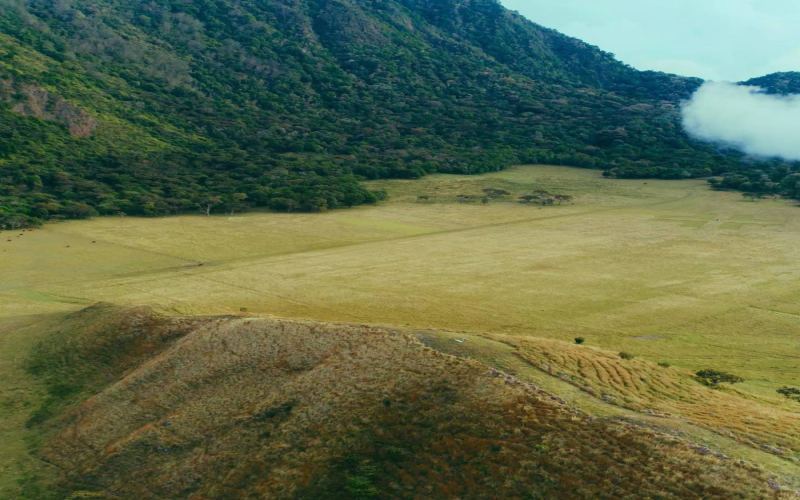
90+ Sun-Dried Sidamo Coffee Pour-Over Guide: Parameters, Bean Varieties, and Brand Recommendations
90+ is an exciting name in the coffee world, representing both exceptional quality with a cupping score above 90 and the name of an American green coffee company. With its original Profile Processing system, this company controls everything from selection and breeding to processing, and has released several coffees with stunning flavors, such as Eleta with its longan and spice notes and Juliet with its grape and champagne notes. This article will give you an in-depth look at the origins of 90+ and its estate stories, and share Front Street Coffee's pour-over parameter recommendations for 90+ sun-dried Sidamo coffee beans, helping you brew a great cup of coffee at home. [more…]
Colombia Rose Valley Coffee Beans: Origin Characteristics and Anaerobic Double Enzyme Washed Flavor Analysis
Colombian coffee is known for its diverse styles and bright fruity notes, and is one of the few single-origin coffees in the world sold under a country name. This article focuses on Front Street Colombia Finca El Arbol Rose Valley, analyzing its cultivation background in the Santander region, Caturra variety, 1,700-meter altitude, anaerobic double enzyme washed processing, and slow drying techniques, breaking down its complex aromas of white peach, strawberry, melon, rose, and champagne, while presenting its creamy toffee-like silky mouthfeel, to give you an understanding of the flavor sources and origin strength of this small-yield star bean. [more…]
Colombia Rose Valley Double Anaerobic Coffee Explained: Santander El Arbol Estate Caturra Flavor and Processing Craft
Colombian coffee is renowned worldwide, named after its country. Thanks to its exceptional geographical and climatic conditions, it cultivates a distinctive acidity and full-bodied richness, earning widespread acclaim for its quality. This article focuses on Front Street Coffee's Colombia El Vergel Estate Double Enzyme Washed Rose Valley, providing an in-depth introduction to its producing region of Santander, the estate's management philosophy, the anaerobic processing technique, and the flavor characteristics of the Caturra variety. This bean delivers aromas of ripe fruits such as peach, strawberry, and melon, interwoven with notes of rose and champagne, offering a rich and layered taste experience that coffee enthusiasts will savor. [more…]
Colombia Finca El Arbol Rose Valley: Anaerobic Double Enzyme Washed Pour-Over Flavor and Brewing Analysis
Colombian coffee has long been renowned for its high quality, and in recent years it has continuously experimented with innovative processing methods, bringing astonishing aromatic expressions. The coffee that Front Street Coffee is introducing this time is precisely such a specially processed bean—Front Street Colombia Dashi Estate Rose Valley. It comes from Dashi Farm in the Santander region, uses anaerobic double enzyme washed processing, is of the Caturra variety, and is grown at an altitude of about 1,700 meters. Beyond the ripe fruit notes of peach, strawberry, and honeydew melon, this bean also carries rose floral aromas and champagne-like notes, drinking more like a glass of juice. This article will review its producing region, estate, processing method, and variety background, provide Front Street's roasting recommendations and brewing parameters, and explain its actual flavor performance. [more…]
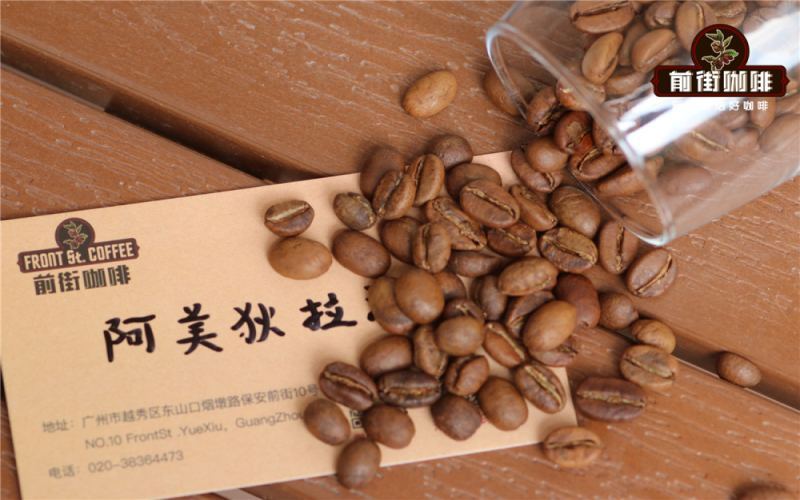
Africa Double Champion Front Street Amadelaro: A Complete Flavor Analysis of the Ethiopian Anaerobic Slow-Drying Process
At the Amederaro processing station, perched at 2,200 meters above sea level, an Ethiopian coffee bean known as Front Street Amederaro is born. It undergoes anaerobic slow drying: after harvesting, only fully ripe cherries are carefully selected and slowly fermented in an oxygen-free environment, ultimately revealing a complex flavor profile with top notes of passion fruit, interwoven with honey and champagne nuances, a full-bodied juice-like mouthfeel, and a subtle hint of rose tea. This bean clinched consecutive victories in the 2019/20 TOH national competition and the African regional finals, rightfully earning the title of "Double Champion." Meanwhile, the Worka cooperative in the Yirgacheffe region has also introduced an anaerobic natural batch, offering a refreshing blend of floral notes with mango and lemon, perfect for summer enjoyment. This article will thoroughly dissect the processing techniques, flavor dimensions, and competition background of Amederaro, along with recommendations for other specialty-processed beans from the same region. [more…]
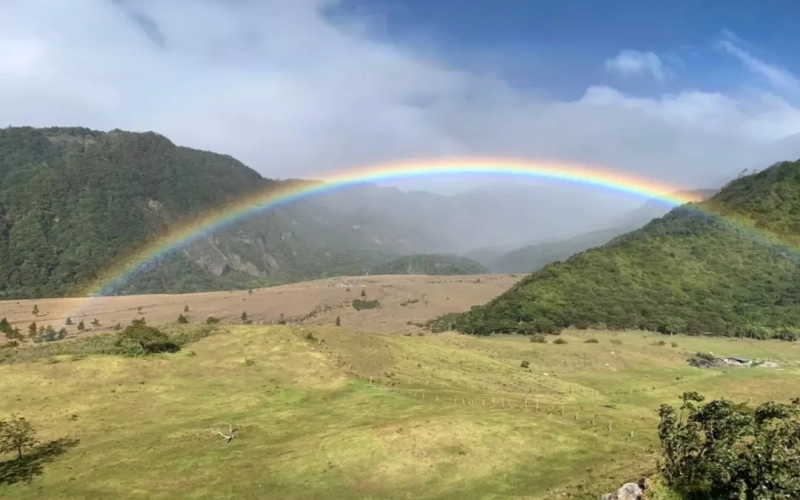
The Geisha Legend of Panama's Volcan Region: A Comprehensive Analysis of 90+ Company's Juliet Coffee Beans
Panama coffee occupies a pivotal position in the international specialty coffee landscape, and the Geisha variety is the shining pearl within it. From European immigrants introducing coffee to Panama in the late 19th century, to Hacienda La Esmeralda's rise to fame at the BOP competition in 2005, the development of Panamanian coffee is full of legendary color. This article focuses on Volcán, one of Panama's three major producing regions, and provides an in-depth introduction to 90+ Company's Geisha estate there and its representative product—Juliette Geisha coffee beans. The article covers the impact of Panama's geography and climate on coffee cultivation, the unique terroir conditions of the Volcán region, the development history of 90+ Company and its Profile Processing system, as well as Front Street Coffee's brewing recommendations and flavor description for Juliette Geisha, offering coffee enthusiasts a detailed guide to origin and tasting. [more…]

90+ Ninety Plus Brand Analysis: From Flavor Processing to Its Own Estates—Does It Only Sell Coffee Beans Scoring Above 90?
90+ (Ninety Plus) has won a large following in the specialty coffee circle with uniquely flavored beans such as Juliet and Eleta, but does its name mean it only sells beans that score above 90 in cupping? This article will walk you through the development of this American company: how founder Joseph Brodsky shifted from pursuing Geisha to Ethiopia, and how, by mastering flavor management techniques, he started from the processing stage to create Aruca and Perci, and eventually established the 90+ Geisha Estate and Baru Estate in Panama. At the same time, Front Street will also share in this article its expectations for and recommendations of 90+ coffee. [more…]
What makes 90+ coffee beans unique? An analysis of the brand's processing philosophy, Geisha series flavors, and price references.
In coffee enthusiast circles, the name "90+" always sparks lively discussion—it represents both outstanding quality with a cupping score above 90 and the name of an American green bean company. Founded by Joseph Brodsky in 2006, this company relies on its unique Profile Processing production system, intervening throughout the entire process from selection and breeding to processing, creating Geisha coffees with highly distinctive flavors such as Eleta and Juliet. Front Street Coffee currently has these two 90+ Geisha coffees for sale. This article will guide you through 90+'s core philosophy, its estate stories, and the flavor performance and brewing suggestions for these two beans, so you can feel for yourself why they are recognizable at first sip. [more…]
A Complete Guide to Ninety Plus 90+ Geisha Coffee Beans: From Profile Processing to the Origin Flavor Story of Barú Estate
In the specialty coffee world, mentioning "90+" always sparks a wave of lively discussion—what new beans have they released? What unconventional processing methods have they used this time? This American green bean company named Ninety Plus, with its original Profile Processing system, started in Ethiopia and went all the way to Panama to establish the 90+ Geisha Estate, redefining the possibilities of Geisha through technology and dedication. The two Geisha coffees currently on sale at Front Street Coffee, Eleta and Juliette, come precisely from this system. This article will provide a complete overview of 90+'s development trajectory, estate stories, bean information, and brewing suggestions, taking you deep into understanding this brand that allows Geisha to surpass Geisha. [more…]

In-Depth Analysis of Panama's Boquete Region: Why Geisha Coffee Has Become the Champagne of the Specialty Coffee World
Although Panama is a small country, its unique geographical conditions and microclimates have given rise to Geisha coffee, which coffee lovers around the world flock to. From Boquete to Volcán, from Hacienda La Esmeralda's Red Label, Green Label to Blue Label, each grade of Geisha has its own unique charm. Front Street Coffee takes you into Panama's four major producing regions, sorts out the coffee grading system, analyzes the flavor differences between washed and natural processing methods, and introduces Front Street's Panama specialty coffee beans currently on sale one by one, helping you find the cup that suits you best. [more…]
Ethiopian Yirgacheffe Aricha Coffee Beans: Flavor Analysis of the ASD Anaerobic Slow-Dry Sun-Drying Process
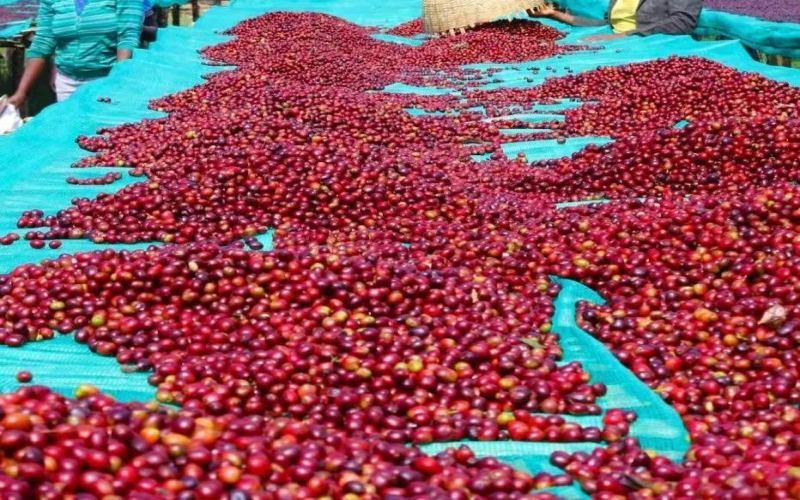
Ethiopia, as the birthplace of coffee, has nurtured countless native varieties. Among them, the Yirgacheffe region stands apart as its own appellation thanks to its distinctive floral and citrus notes, making it a focal point of attention for coffee lovers worldwide. Within Yirgacheffe's Konga Cooperative, the Armetilalo processing station cultivates coffee cherries at 2,200 meters on red soil and employs an Anaerobic Slow Dry (ASD) process, undergoing 120 hours of sealed fermentation and 5 weeks of slow drying to create a full-flavored specialty coffee. These Armetilalo coffee beans won both the Ethiopian National Competition and the Africa TOH championship in 2019/2020, with a cupping score of 90.7. Front Street Coffee has selected these beans and presents them with a medium-light roast, bringing out layers of citrus, berry, cream, rose tea, and white grape. This article will take an in-depth look at their regional background, processing method, and brewing performance. [more…]
Ethiopia TOH Double Champion Armeria Lalo: Full Analysis of Anaerobic Slow Drying Processing Method and Flavor
At the Amederaro processing station in Ethiopia, at an altitude of 2,200 meters, a coffee bean named Amederaro was born, one that went on to win both the national and African regional finals of the 2019/20 TOH competition. This bean, brought to you by Front Street Coffee, undergoes anaerobic slow drying; after being harvested as fully ripe cherries and carefully sorted, it is slowly fermented in an anaerobic environment, creating layered flavors of passion fruit, honey, champagne, and white grape, with abundant juiciness and a balanced fermented character. This article will provide a comprehensive introduction to this coffee—both powerful and refined—from the perspectives of its origin background, processing method, flavor profile, and the meaning of the TOH competition. [more…]
Colombian Coffee Brewing Guide: Flavor Profiles and Pour-Over Techniques for Four Specialty Beans Including Sidra
Colombian coffee is renowned for its diverse styles, offering both fresh fruity notes and rich chocolate tones, much like the Champagne region in combining consistency with distinct character. Since the 2008 volcanic eruption in Huila, the southern specialty coffee regions have gradually come to prominence, with volcanic ash soil providing abundant nutrients for coffee plants and creating delicate floral and fruity flavors. Currently, Front Street Coffee offers four Colombian specialty beans: Washed Huila, Anaerobic Natural Flower Moon Night, Double Anaerobic Natural Sidra, and Double Anaerobic Washed Sakura, all roasted to a medium level to balance acidity and sweetness. This article will guide you through the regional characteristics of these beans and provide a complete medium-roast Colombian coffee pour-over procedure, explaining everything from grind size and water temperature to pouring rhythm, helping you brew a fragrant cup of excellent coffee at home. [more…]
Panama Geisha Washed vs. Natural Flavor Comparison: Analyzing the Differences Between Janson Estate and Hacienda La Esmeralda
Both are Panamanian Geisha, but just how big is the flavor difference between the washed and natural processing methods? And what are the distinctive characteristics of the Geisha from Hacienda La Esmeralda and those from Janson Coffee Farm? Starting with Janson Coffee Farm, this article provides a detailed overview of the flavor profiles of its natural and washed Geisha, the farm's background, and growing conditions, and compares them with the stylistic differences of Hacienda La Esmeralda. Janson Coffee Farm focuses mainly on domestic sales and ranks second in Panama for Geisha production; its washed Geisha won second place in the washed category at the 2013 B.O.P competition. The article also includes Front Street Coffee's recommendations and purchasing information, making it suitable reading for coffee enthusiasts who want an in-depth understanding of Panamanian Geisha. [more…]
The Pros and Cons, Production Process, and Flavor Analysis of Naturally Processed Coffee Beans
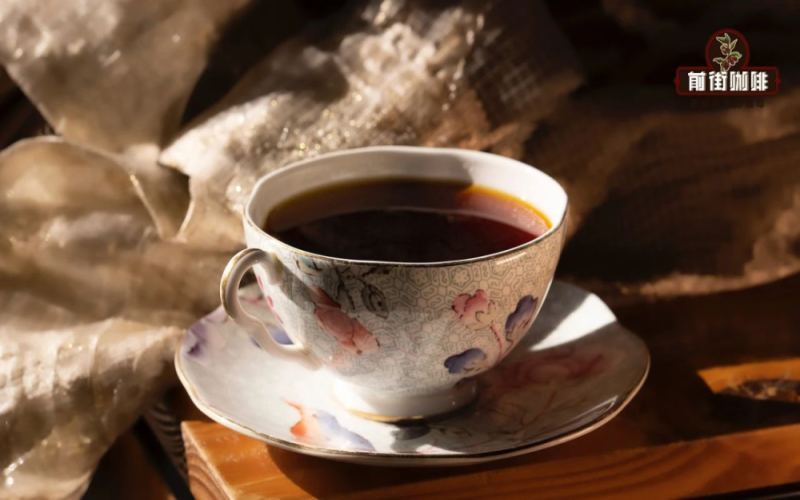
This article is written by the content team of Front Street Coffee (FrontStreet Coffee) and provides a comprehensive discussion of the characteristics of the natural process, the oldest method of coffee processing. The article candidly acknowledges its dependence on sunny weather and the disadvantage of a plain-looking finished product, while gradually breaking down the steps from fruit selection and sun-drying to hulling and storage. Using representative natural-process beans that make up forty percent of the beans on Front Street Coffee's shelves—Natural Yirgacheffe Aricha, Natural Panama Janson Geisha, and Natural Brazil Queen's Manor—along with images and brewing recipes, it carefully presents the flavor profile under three-pour extraction to help readers gain a deeper understanding. [more…]